Two digital X-ray machine quotations can look similar while covering very different projects. One may include a detector, acquisition workstation and installation support; another may cover only the generator and mechanical stand. Comparing their totals without resolving those differences can produce an unrealistic budget. A hospital should therefore prepare one requirement sheet and ask every supplier to answer it line by line. Record what is included, what is optional, what the buyer must provide and what remains unconfirmed. This approach is useful for a new radiology room, an equipment replacement or a hospital tender. It also keeps an attractive equipment price from hiding essential project costs.
Describe the department's intended examinations, expected daily workload and patient positioning needs before selecting a configuration. Involve the radiology team, biomedical engineers and the people responsible for the building. A fixed room, a mobile unit and a portable system solve different workflow problems; none should be treated as a universal substitute for the others. Ask how patients enter the room, how staff position the equipment and where images are reviewed. For a replacement project, document the existing generator, detector, table and information system. A supplier can only assess reuse when the actual interfaces, condition and manufacturer documentation are available.
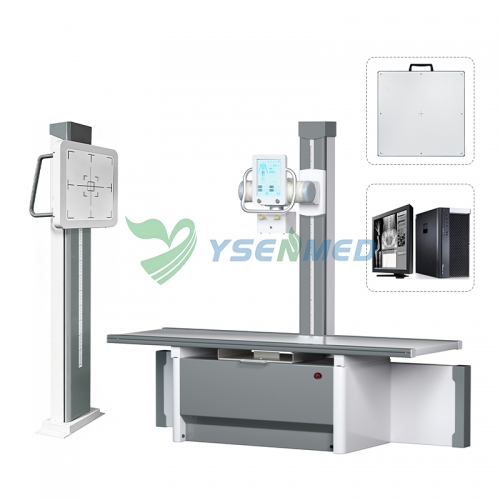
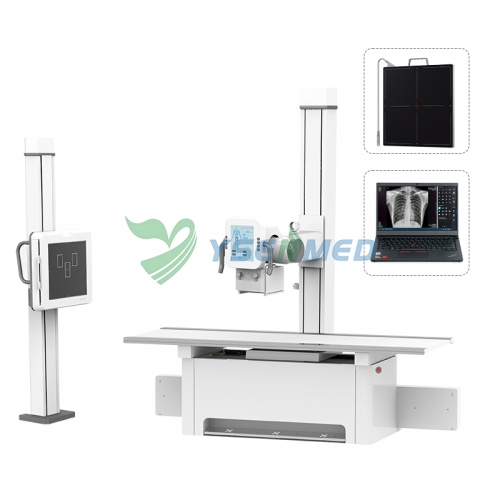
Generator power is one comparison item, not a complete description of a digital radiography system. Request the generator model, tube assembly, operating ranges, mechanical arrangement and specified electrical requirements. Have the clinical and engineering teams determine whether the proposed configuration meets their intended workload. Do not infer clinical suitability solely from a power number or a product photograph. Request a current configuration sheet rather than assuming that every accessory visible in marketing material is supplied. Where suppliers offer alternatives, keep the base offer and each option separate. Otherwise a later change in tube, stand or table may make the original price comparison meaningless.
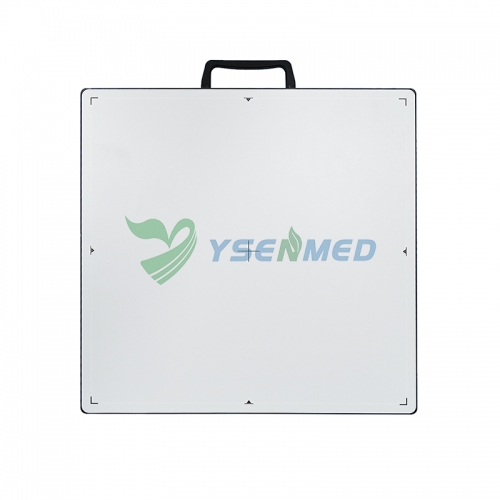
Ask each bidder to identify the detector model, active imaging area, wired or wireless connection, supplied accessories and compatibility with the proposed system. A quotation should make clear whether the room uses one shared detector or dedicated detectors, and how that arrangement affects movement between the table and upright stand. Wireless equipment also requires attention to battery supply, charging and replacement arrangements. Request supporting technical documentation for image acquisition and integration rather than treating detector size as a guarantee of image quality. Record who supports the detector if it is supplied by a different manufacturer from the generator or workstation.
The workstation and software can materially change the scope of a digital X-ray quotation. List the acquisition computer, monitor, operating system, software version and included licenses. Ask which image transfer and worklist functions are supplied, which are optional and which require a separate hospital information technology project. A statement that a system supports DICOM does not settle every integration question. The hospital and supplier should exchange the relevant conformance documentation and confirm the actual workflow to be tested. Also clarify image storage, backup responsibilities, user access and the process for software updates. An optional license should not silently become a compulsory cost after delivery.
Ask for the manufacturer's installation requirements early enough for the project team to assess the site. Access routes, equipment dimensions, structural support, power supply, earthing, environmental conditions and network connections all need a named owner. Radiation protection planning and any required approvals must be handled by appropriately qualified personnel under local requirements. A general supplier quotation should not be mistaken for a site-specific shielding design. For renovation work, agree how existing equipment is removed and how the department manages downtime. Separate equipment supply from civil works and specialist services so the hospital knows which contractor is responsible for each task.
A machine arriving at the hospital is not the same milestone as a room being ready for use. Define the destination, shipping terms, unloading, unpacking, assembly, installation and acceptance steps in the project schedule. Ask who travels to the site, who supplies installation materials and which expenses are included. The acceptance plan should identify the documentation and tests required by the hospital, manufacturer and applicable local framework. Qualified personnel should approve the relevant technical checks. Record unresolved issues and the responsible party rather than treating a signed delivery note as proof that every functional requirement has been demonstrated.
YSENMED’s published Peru customer case describes a DR system with a grid purchased five years earlier and subsequent positive image-quality feedback. This is a specific customer account, not a guaranteed service life or a prediction for another hospital.
For procurement teams, the useful question is what support would be available throughout their own ownership period. Ask about detector and tube replacement, spare parts ordering, remote troubleshooting, service documentation and the division of responsibility between the seller and local technicians. Request those arrangements in the offer rather than relying on the general existence of an overseas delivery case.
Build a cost comparison that includes equipment, options, shipping, site preparation, installation, training and foreseeable service requirements. Ask when the warranty starts, which components it covers, what exclusions apply and who pays freight for a returned part. Confirm how a fault is reported, the support language and the process for escalation. A response target is different from a guaranteed repair completion time, especially when travel or imported parts are needed. Review these terms with the hospital's purchasing team. The lowest initial quotation may still be a reasonable choice, but that decision should follow a transparent assessment of scope and support.
Give each offer a separate column and use the same rows: intended workflow; generator and tube; detector model and quantity; stand and table; workstation; software licenses; image transfer; included accessories; site requirements; delivery terms; installation; acceptance; training; warranty; and spare parts. Add an evidence column for datasheets, drawings and written confirmations. Mark an unanswered item as unconfirmed rather than compliant. For tender work, retain the buyer's original requirement numbering and ask suppliers to identify deviations explicitly. This makes the comparison easier for clinical, technical and commercial reviewers and reduces the chance of approving an assumption as though it were an agreed deliverable.
Request documents that identify the offered model and the party responsible for supplying it. A company brochure, a product datasheet, a declaration and a test report serve different purposes. Check their scope, dates and model references instead of accepting a logo as evidence for every item in the package. If a tender requires a particular registration or conformity document, ask the bidder to show precisely how the proposed equipment satisfies that requirement. Destination-specific permissions should be verified by the responsible local parties. Keep the approved configuration, drawings, software list and agreed exclusions with the purchase order so a later substitution can be evaluated against a clear record.
Name the people who receive user training and technical orientation, and agree the language, delivery format and supporting materials. Training needs should reflect the hospital's own staffing and intended services rather than an assumed standard session. Ask how new staff will be introduced to the equipment after the initial handover. Set up an equipment file containing serial numbers, manuals, acceptance records, maintenance responsibilities and contact details. Where an annual service agreement is offered, request its scope and renewal terms separately. A well-organized handover gives the hospital a practical route from purchasing a digital X-ray system to managing it as a documented asset over time.
Should a hospital always choose the highest generator power? No procurement decision should be based on that specification alone; the intended workload and complete configuration need clinical and engineering review. Is a detector upgrade automatically compatible with an existing system? Compatibility must be confirmed for the exact equipment and software. Does international delivery include local installation? Only the agreed offer can answer that. Can customer photographs replace acceptance testing? They can document a particular delivery, but they do not verify the performance of the unit being purchased. Resolving these questions before ordering is more useful than discovering different interpretations when the equipment reaches the hospital.
Lead Protection Door Delivered to El Salvador
Color Doppler Ultrasound Delivery to Mali
Veterinary Anesthesia Equipment Delivered to Argentina