We use cookies to improve your online experience. By continuing browsing this website, we assume you agree our use of cookies.
icon email
icon map
Haizhu District,
Guangzhou, 510000
icon phone
TEL: +86-20-34174605
MOB: +86 17727659022(whatsapp)
Industry News

Laboratory Equipment Procurement: Matching Analyzers, Reagents and Capacity to Your Hospital

Views : 151
Author : YSENMED Editorial Team
Update time : 2026-10-19 16:51:00

Buy a testing workflow, not an isolated instrument

A hospital laboratory does not operate through analyzers alone. Sample preparation, reagent storage, quality control, information handling and maintenance all influence whether an instrument can support the intended service. Laboratory equipment procurement should therefore begin with a workflow brief agreed by laboratory management and the relevant technical staff. State the tests to be offered, the expected workload and the practical limitations of the site. A lower purchase price is meaningful only when the proposed equipment, supplies and support can meet that brief. This approach helps buyers compare complete operational requirements rather than unrelated instruments with similar catalogue descriptions.

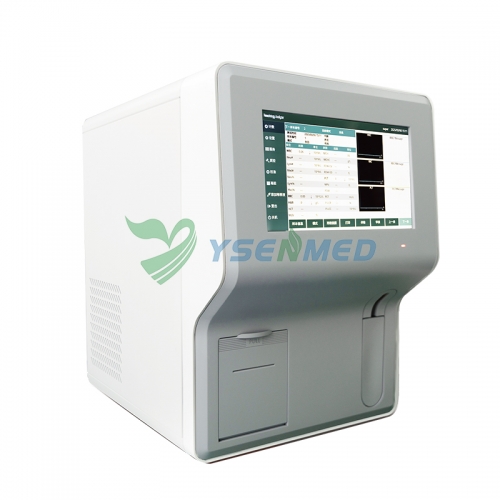
YSTE320B hematology analyzer — product image
YSTE320B hematology analyzer — product image · Product source

Define the test menu and service priorities

List the examinations the laboratory intends to perform and distinguish routine testing from urgent or specialist work. Ask qualified laboratory staff to define required methods, sample types and performance expectations. Record which tests remain outsourced and whether expansion is planned. A purchasing team should not choose an analyzer solely because a brochure contains a long parameter list. The clinical service and laboratory management must determine which capabilities are appropriate and how they will be verified. A clear test menu also helps identify supporting equipment, controls, calibrators and consumables that would otherwise be omitted from an equipment-only request.

Translate workload into a capacity requirement

Describe daily sample volumes, peak arrival periods, operating hours and the expected mix of tests. The number advertised as analyzer throughput may not represent the complete laboratory workflow. Sample preparation, quality-control activities, repeat work and result review can change the effective capacity. Ask suppliers to explain the conditions behind their throughput statements and to address the workload in your brief. Consider how the department will manage interruptions, maintenance and unexpected demand. A larger instrument is not automatically a better investment if its operating requirements, reagent consumption or staffing needs do not match the laboratory's actual service.

Evaluate the reagent system before accepting the offer

Identify the exact reagents, controls, calibrators and cleaning materials required for each proposed analyzer. Ask whether the system uses dedicated supplies, what alternatives are validated and how changes are managed under manufacturer instructions and laboratory procedures. Do not assume that an open system accepts any reagent without verification. Equally, a closed system should be evaluated with a clear view of supply continuity and commercial terms. Request pack sizes, ordering units, storage conditions and available shelf-life information. The laboratory needs a supply plan that is practical for its workload, destination and receiving arrangements, not merely a low instrument price.

YSTE320A hematology analyzer — product image
YSTE320A hematology analyzer — product image · Product source

Check shipping, storage and expiry risks

Ask how reagents and other supplies will be transported, which conditions must be maintained and who monitors them during the relevant stages. Review storage space and temperature requirements with the laboratory team. An attractive bulk purchase may create waste if the laboratory cannot consume the stock within the applicable expiry and open-container periods. Agree how remaining shelf life is specified at delivery and how damaged or unsuitable shipments are reported. Keep the responsibility for import documentation and local requirements explicit. The supply plan should cover routine replenishment as well as the starter materials delivered with a new instrument.

Include the equipment around the analyzer

Map the route from sample receipt to preparation, analysis, result review and disposal. This can reveal requirements for centrifuges, microscopes, refrigeration, water treatment, power protection, furniture or other supporting equipment. The necessary list depends on the actual test menu and site; a generic package is not a complete laboratory design. Ask technical staff to review capacity and interfaces across the workflow. Check whether accessories, racks, sample containers and data connections are included with the main instruments. Assign quantities by function so one critical supporting device does not become an avoidable bottleneck for several analyzers.

Prepare the site and information interfaces

Request the manufacturer's requirements for power, environmental conditions, clearances, water and waste connections where relevant. Have the responsible engineering and laboratory teams verify the site against those requirements. If a laboratory information system is used, define the intended data exchange, interface responsibilities and acceptance checks. A brochure statement about connectivity does not establish compatibility with every existing system. Record the software version and any required license or interface module. Include installation prerequisites in the delivery schedule so the instrument does not arrive before the site and support arrangements are ready to receive it.

A laboratory package documented in Mali

YSENMED’s Mali laboratory case records a package containing a YSTE320A hematology analyzer, a YSCF-TD4 centrifuge and a YSXWJ-BX301B microscope. It illustrates coordinated procurement of complementary equipment; it does not establish the test capacity or accreditation status of another laboratory.

For a new purchase, use the same discipline of identifying each model and its role. Then add the information the case does not provide: local workload, reagent continuity, quality procedures, staffing, installation responsibilities and acceptance criteria. A delivery record is useful context, while the operational requirements of the purchasing laboratory still need their own documented review.

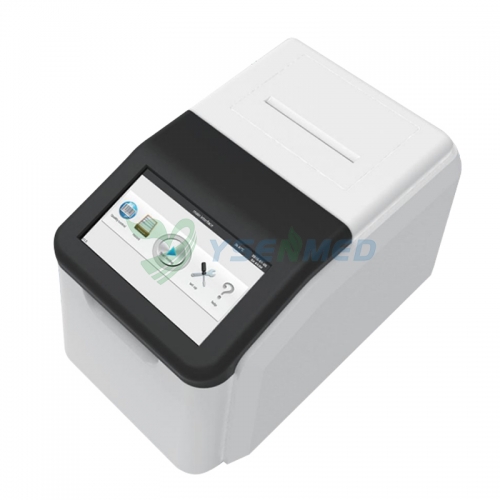
YSTE-DB100 dry biochemistry analyzer — product image
YSTE-DB100 dry biochemistry analyzer — product image · Product source

Make quality arrangements part of the purchasing brief

Ask the laboratory team to specify the quality-control and calibration arrangements appropriate to the proposed tests and methods. Identify the supplies, documentation and training needed to introduce the equipment under the institution's quality system. The procurement process should support these arrangements without pretending that purchasing a particular brand automatically establishes compliance or accreditation. Clarify how manufacturer instructions, maintenance records and software changes will be controlled. Where verification or other technical studies are required before reporting patient results, assign responsibility and resources in advance. These are laboratory governance decisions supported by procurement, not conclusions a sales quotation can settle on its own.

Compare costs per usable service, not only per kit

A meaningful cost comparison uses the same workload and service assumptions for each offer. Include the instrument, reagents, controls, calibrators, cleaning supplies, consumables, installation, training and maintenance. Consider expiry losses and non-patient uses of materials where they are relevant and can be reasonably estimated. Explain how the estimate treats repeated work, shutdowns and service interruption. A nominal reagent cost per test is different from the cost of delivering a reportable result within an operating laboratory. Avoid invented universal cost figures: ask suppliers for transparent assumptions and let the laboratory finance and technical teams review them together.

Agree training, maintenance and backup plans

Specify who receives operator training, who maintains the equipment and how technical problems are escalated. Ask for the language and format of manuals, maintenance instructions and training materials. Distinguish routine user tasks from work requiring qualified or manufacturer-authorized service personnel. Request warranty coverage, spare parts arrangements and service contact details. The laboratory should decide how testing continues during a failure, whether through another instrument, a referral arrangement or another approved process. A backup plan is an operational decision, not something to infer from an advertised service response. Include it in the readiness review before the equipment enters routine use.

Use an acceptance record that identifies the supplied configuration

At receipt and installation, compare the delivered models, serial numbers, accessories and supplies with the approved order. Record the condition of the shipment and any differences. Confirm installation documents, required technical checks, software versions and the agreed interface tests. The laboratory's authorized personnel should manage the process for approving the instrument for its intended use. Keep unresolved items on an action list with an owner and completion date. Receiving a shipment, powering on an analyzer and approving a testing service are different events. Separating them makes accountability clearer for the hospital, supplier and laboratory staff.

A concise request for a laboratory proposal

Send suppliers the test menu, expected daily and peak workload, operating hours, site conditions, existing equipment and information-system requirements. State the destination, required documentation, training language and planned installation window. Ask for an itemized list of starter supplies and a separate replenishment proposal. Require written answers about reagent compatibility, storage and support. Can the cheapest analyzer be the best choice? It may be, but only after the complete workflow is compared. Does a large parameter list establish suitability? No; the laboratory team must review intended use. A precise request makes those decisions easier to support with evidence.

Related News
Read More >>
Veterinary Clinic Equipment Planning: A Practical Guide to Imaging, Surgery and Laboratory Setup Veterinary Clinic Equipment Planning: A Practical Guide to Imaging, Surgery and Laboratory Setup
Oct .27.2026
A practical procurement framework for matching veterinary imaging, surgical and laboratory equipment to the services a clinic can support.
Lead Protection Door Delivered to El Salvador Lead Protection Door Delivered to El Salvador
Oct .21.2026
YSENMED has delivered the YSX1525 Lead Swing & Sliding Door X-ray Lead Protection Door to our customer in El Salvador.
Color Doppler Ultrasound Delivery to Mali Color Doppler Ultrasound Delivery to Mali
Oct .21.2026
A doctor in Mali received the YSB-S7 Color Doppler Trolley Ultrasound Machine from YSENMED. The customer shared positive feedback on the image quality and after-sales service.
Veterinary Anesthesia Equipment Delivered to Argentina Veterinary Anesthesia Equipment Delivered to Argentina
Oct .21.2026
An anesthesiology veterinarian in Argentina ordered a veterinary anesthesia system, an animal vital signs monitor, and a syringe pump from YSENMED.